FARMLAND TRADITIONS Loves Jerky Trainer Treats Bone Sal 884713003417 Dog Broth
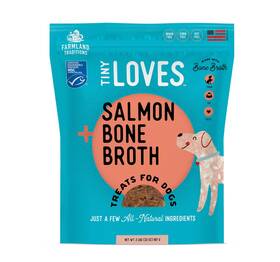
( Brand: Farmland Traditions ), ( Part Type: Jerky Trainer ), ( Age Range Description: Adult ), ( Breed Recommendation: Small Breeds ), ( Special Ingredients: Bone Broth ), ( Product Expiration Type: Shelf Life ), ( Item Form: Stick ), ( Flavor: Salmon ), ( Size: 2 Pound ), ( Fc Shelf Life: 1075.0 ), ( Specific Uses For Product: Digestive Health ), ( Animal Food Diet Type: Limited Ingredient ), ( Serving Recommendation: 1 Treat ), ( Dog Breed Size: Extra Small ), ( Target Audience Keyword: Dogs ), ( Unit Count: 32.0 ), ( UPC: 884713003417 ), ( Package Dimensions Lxwxh: 12.6x10.2x3.5 Inches ), ( Weight: 2.0 Pounds )
Review FARMLAND TRADITIONS Tiny Loves Jerky Trainer Treats Dogs Bone Broth Sal
**Farmland Traditions Loves Jerky Trainer Treats for Dogs Bone Broth Salty Delight (Product Code: 884713003417)**
Indulge your furry companion in a premium training experience with **Farmland Traditions Loves Jerky Trainer Treats**, a carefully crafted, all-natural reward designed to captivate even the most discerning canine. These irresistible, salty jerky treats are infused with the rich, savory essence of **bone broth**, a nutrient-dense elixir packed with collagen, glucosamine, and chondroitin to support joint health and overall vitality. Made with **100% real beef**, the treats are slow-cooked to perfection, preserving the natural flavors while enhancing their chewy, satisfying texture ideal for reinforcing positive behavior during training sessions. Each bite-sized piece is thoughtfully portioned for easy handling, making them perfect for quick rewards, obedience training, or simply as a tasty snack to strengthen the bond between you and your dog. Free from artificial preservatives, fillers, or unnecessary additives, these treats reflect Farmland Traditions commitment to **human-grade ingredients and holistic nutrition**, ensuring your pup receives only the finest quality. Whether you re teaching a new trick, reinforcing good manners, or celebrating a job well done, these **bone broth-infused jerky treats** deliver a flavorful, protein-rich reward that dogs love and owners can feel good about. Elevate your training routine with a treat that s as wholesome as it is delicious, because every well-behaved pup deserves the best.
### **Pros and Cons of Buying Farmland (Traditional Farmland, Jerky, Trainer Treats, Bone Broth, and Salty Snacks)**
#### **Pros of Buying Farmland**
1. **Long-Term Investment Potential** Farmland has historically been a stable and appreciating asset, especially in regions with fertile soil, water access, and agricultural demand. Over decades, well-located farmland can increase in value, offering a hedge against inflation and economic instability.
2. **Passive Income Generation** Farmland can generate steady cash flow through leasing to farmers, ranches, or agricultural businesses. Lease payments provide a reliable income stream without requiring active day-to-day management.
3. **Diversification of Assets** Unlike stocks or real estate, farmland is a tangible, non-correlated asset. Including it in an investment portfolio can reduce overall risk by spreading exposure across different sectors.
4. **Environmental and Social Benefits** Farmland supports food production, biodiversity, and rural economies. Owning farmland can contribute to sustainable agriculture, conservation efforts, and community development.
5. **Tax Advantages** Farmland often qualifies for lower property tax rates than commercial or residential real estate. Additionally, depreciation deductions and potential estate tax exemptions (in some jurisdictions) can offer tax benefits.
6. **Food Security and Self-Sufficiency** For those interested in agriculture, owning farmland allows for personal food production, reducing reliance on commercial suppliers. It can also serve as a backup in times of supply chain disruptions.
7. **Potential for Agribusiness Expansion** With farmland, there is the opportunity to diversify into related businesses such as processing (e.g., jerky, bone broth, or salty snacks), livestock farming, or organic farming, which can be highly profitable niches.
8. **Lower Volatility Compared to Other Investments** While farmland values can fluctuate, they tend to be more stable than stocks or cryptocurrencies, making it a safer long-term hold.
---
#### **Cons of Buying Farmland**
1. **High Initial Cost and Illiquidity** Farmland purchases require significant capital upfront, and selling it quickly can be difficult due to limited buyers. Unlike stocks or bonds, farmland is not easily liquidated, which can be problematic in emergencies.
2. **Management and Operational Challenges** Owning farmland does not guarantee passive income; active management (or hiring managers) is often required to maintain productivity. Issues like soil degradation, pests, or weather can reduce yields and profitability.
3. **Regulatory and Zoning Restrictions** Farmland may face environmental regulations, land-use restrictions, or zoning laws that limit how it can be used. Changes in government policies (e.g., subsidies, conservation programs) can also impact profitability.
4. **Dependence on External Factors** Farmland value and income are heavily influenced by commodity prices (e.g., grain, livestock), water availability, climate conditions, and global demand. Droughts, floods, or trade wars can severely affect returns.
5. **Limited Leverage Options** Unlike residential or commercial real estate, farmland is often harder to finance. Banks may require larger down payments (e.g., 30-50%), making it harder for investors to leverage purchases.
6. **Potential for Low Returns in Short Term** Unlike stocks or rental properties, farmland appreciation is typically a long-term play. Short-term investors may see little to no growth, especially if the land is not actively farmed or leased.
7. **Maintenance and Infrastructure Costs** Farmland requires ongoing expenses for equipment, irrigation, fencing, and repairs. If the land is remote, transportation and labor costs can also be high.
8. **Market Saturation and Competition** In some regions, farmland is abundant, leading to lower prices and thinner margins. Competition among farmers and landlords can drive down lease rates or sale prices.
9. **Risk of Speculative Bubbles** Like any asset, farmland can experience price bubbles driven by hype or speculative buying. A crash in agricultural land values (as seen in past decades) can lead to significant losses.
10. **Lifestyle and Personal Commitment** Owning farmland often requires a long-term commitment. If an investor moves away or changes priorities, managing or selling the land can become burdensome.
---
### **Pros and Cons of Investing in Jerky, Trainer Treats, Bone Broth, and Salty Snacks (Pet and Human Food Niches)**
#### **Pros**
1. **High Demand and Market Growth**
- **Pet Industry:** The global pet food market is expanding rapidly, driven by increasing pet ownership, premium pet products, and health-conscious pet owners. Jerky and treats are popular for their convenience and perceived health benefits.
- **Human Food:** Bone broth and salty snacks (e.g., jerky, roasted nuts, or savory chips) are trending due to health trends (gut health, protein diets, low-carb lifestyles) and convenience.
2. **Recurring Revenue Potential**
- Direct-to-consumer (DTC) models (e.g., subscription boxes, e-commerce) create predictable revenue streams.
- Wholesale or B2B sales to retailers, pet stores, or restaurants can provide steady income.
3. **Scalability**
- Production can be scaled efficiently with automation, outsourcing, or vertical integration (e.g., owning farms for ingredients).
- Digital marketing (social media, SEO) allows for targeted advertising to niche audiences.
4. **Higher Margins Than Traditional Farming**
- Processing and packaging add value, increasing profit margins compared to raw agricultural products.
- Premium pricing is possible for organic, grass-fed, or specialty products.
5. **Diversification Within Agriculture**
- Combining farmland with processing allows for vertical integration, reducing dependency on external suppliers.
- Reduces risk by spreading income across multiple products (e.g., selling raw meat for jerky and bone broth).
6. **Regulatory and Branding Opportunities**
- Certifications (organic, non-GMO, USDA-approved) can justify higher prices.
- Strong branding (e.g., "natural," "grain-free," "human-grade") attracts loyal customers.
7. **E-commerce and Subscription Models**
- Online sales eliminate geographical limitations, allowing access to broader markets.
- Subscription models (e.g., monthly jerky deliveries) create recurring revenue.
8. **Health and Wellness Trends**
- Bone broth is marketed for joint health, gut health, and immune support.
- Jerky and salty snacks fit into keto, paleo, and low-carb diets, appealing to health-conscious consumers.
---
#### **Cons**
1. **High Competition**
- The pet treat and human snack markets are crowded, with established brands (e.g., Blue Buffalo, Purina, KIND Snacks) dominating.
- New entrants must differentiate through quality, marketing, or unique ingredients.
2. **Regulatory and Compliance Risks**
- Food safety regulations (FDA, USDA, or international standards) require strict adherence to avoid recalls or legal issues.
- Labeling laws (e.g., ingredient transparency) can be complex and costly to navigate.
3. **Supply Chain Dependencies**
- Reliance on ingredient suppliers (e.g., meat processors, spices) can lead to price fluctuations or shortages.
- Transportation and storage costs for perishable products (e.g., fresh jerky, bone broth) can be high.
4. **Quality Control Challenges**
- Ensuring consistency in taste, texture, and safety is critical. Poor quality can lead to negative reviews or lawsuits.
- Contamination risks (e.g., bacteria in bone broth, additives in jerky) require rigorous testing.
5. **Marketing and Customer Acquisition Costs**
- Building a brand requires significant investment in advertising, social media, and influencer partnerships.
- Customer acquisition costs (CAC) can be high, especially in competitive niches.
6. **Price Sensitivity**
- Consumers may hesitate to pay premium prices for specialty products, especially during economic downturns.
- Private-label or generic competitors can undercut pricing.
7. **Operational Complexity**
- Processing facilities require compliance with food safety standards (e.g., HACCP, FDA inspections).
- Packaging, labeling, and distribution logistics add layers of complexity.
8. **Trend Dependency**
- Demand for bone broth or jerky can fluctuate with health trends. If a product loses popularity, sales may drop.
- Over-reliance on a single product (e.g., only jerky) exposes the business to market shifts.
9. **Intellectual Property and Copycat Risks**
- Competitors may replicate successful products, eroding market share.
- Protecting unique recipes or processes can be challenging without patents or trademarks.
10. **Labor and Skill Gaps**
- Finding skilled workers for processing, quality control, or marketing can be difficult.
- Training employees on food safety and operational standards is time-consuming.
---
### **Conclusion and Recommendation**
#### **Conclusion**
Buying farmland offers long-term stability, passive income potential, and diversification benefits, but it requires significant capital, illiquidity, and active management. It is best suited for investors with a long-term horizon who are willing to accept lower liquidity in exchange for asset appreciation and agricultural income.
Investing in **jerky, trainer treats, bone broth, and salty snacks** presents an opportunity to capitalize on growing markets in pet food and human health
Details:
Brokerage fees due at the point of delivery. Please understand that factors such as weather, high postal traffic, and carrier performance are beyond our control. MORE BENEFITS: TRAINER OR TOPPER: Dehydrated to lock in flavor and nutrients, our high fiber jerky is the perfect healthy training treat. LIMITED INGREDIENTS: Treats with 6 limited ingredients decrease the likelihood of allergic reactions for dogs allergies and food sensitivities.
Simple ingredients loved by dogs. Eliminating additives supports healthy digestion and disruptions in the endocrine system. Only 2 calories per treat. Made with love in the USA.
98% salmon with bone broth in every bite.
specifications tredoche:
- brand: Farmland Traditions
- part type: Jerky Trainer
- age range description: Adult
- breed recommendation: Small Breeds
- special ingredients: Bone Broth
- product expiration type: Shelf Life
- item form: Stick
- flavor: Salmon
- size: 2 Pound
- fc shelf life: 1075.0
- specific uses for product: Digestive Health
- animal food diet type: Limited Ingredient
- serving recommendation: 1 Treat
- dog breed size: Extra Small
- target audience keyword: Dogs
- unit count: 32.0
- upc: 884713003417
- package dimensions lxwxh: 12.6x10.2x3.5 Inches
- weight: 2.0 Pounds
general tredoche:
- condition: New
- Pet Supplies > Dog Supplies > Dog Chews Treats
seller tredoche:
- # reviews: 25470
- city: ana, California
- rating: 100.0%
shipping tredoche:
- transit: 3-8 Days
- cost: $0.00
- service: Expedited
- class: Expedited
- type: Fixed
payments tredoche:
- credit card: Discover
- other
- wallet: Google-pay
offer tredoche:
- sold: 0
- availability: In Stock
- quantity: 10
- started: May 19, 2026
- options: Ship-to-home
returns tredoche:
- paid by: Seller
- policy: Returns Accepted
- time: 30 Days
- method: Money back
Farmland Traditions 884713003417 Is Similar To:
- 884713002632 Farmland Traditions Usa Made Chicken Jerky Dog Treats (44% similar) Unlike other treats that use the term jerky to describe products containing non-meat ingredients such as grains, sugar and artificial additives, our authentic are made from lean breast meat, perfectly oven-dried maintain taste nutritional value, 100 in USA with ingredients lean protein low fallow ...(April 25th, 2018)
- Farmland Traditions 884713000607 Usa Made 3 Lbs Turkey Sweet Potato Cranberry Soft Jerky Bite Dog Treats (49.5% similar) Eliminating additives supports healthy digestion and disruptions in the endocrine system. Your pup can savor the natural, rich flavor of American farm-raised chicken without any fillers. Limited ingredients: treats with limited ingredients decrease the likelihood of allergic reactions for dogs ...(September 26th, 2023)
- Farmland Traditions 445009943980 Dogs Love Chicken Premium Jerky Treats For 3 Lbs No A (57.8% similar) This product does not consist of those chickens. Eliminating additives supports healthy digestion and disruptions in the endocrine system. Free from fillers: all of our protein-packed treats are free from grain, soy, and corn. These treats are made from 100% chicken lean breast with vegetable ...(September 21st, 2024)
- Farmland Traditions 948687 Chicken Jerky Treats For Dogs 3 Lbs (63.7% similar) Part #: Farmland Traditions 948687 for sale...(September 24th, 2024)
- Farmland Traditions 313035448489 Filler Free Dogs Love Variety Premium Jerky Treats For (54.4% similar) Eliminating additives supports healthy digestion and disruptions in the endocrine system. Farmland Traditions filler free dogs love variety premium jerky treats for dogs, chicken, beef turkey, 3 lb. Your pup can savor the natural, rich flavor of American farm-raised chicken, beef, and turkey without...(October 28th, 2024)
- Farmland Traditions 884713000768 Filler Free Dogs Love Variety Premium Jerky Treats For Chicken Beef And (59.9% similar) All-natural jerky is a great alternative to bones and rawhide; your dog gets the chewy texture they love without height need fear of choking. Each pack contains bite-sized portions of turkey with sweet potato, chicken rosemary and sea salt, beef liver potato. We love dogs as much you do, so we put...(December 4th, 2024)
- Farmland Traditions Vc-a3-83721 New Filler Free Dogs Love Pork Premium Jerky Treats For (52.2% similar) Free from fillers: all of our protein-packed treats are free from grain, soy, and corn. Limited ingredients: treats with limited ingredients decrease the likelihood of allergic reactions for dogs allergies and food sensitivities. Easy-to-break jerky can be customized into small pieces for smaller ...(December 23rd, 2024)
- Farmland Traditions 884713001208 Premium Beef Lung Jerky Sticks For Dogs 8.2 Oz Treats No Soy (62.4% similar) Shipped with USPS ground advantage. Condition is new. Farmland Traditions premium beef lung jerky sticks for dogs 8.2 oz treats no soy...(January 1st, 2025)
- Farmland Traditions 884713000904 Dogs Love Turkey And Sweet Potato Flavor Air Dried Jerky Treats For 16 Oz Bag (56.2% similar) Meat type: turkey. Farmland Traditions jerky treats deliver the product quality, safety, and clean label attributes that pets their owners love. Our mouthwatering treats are also available in chicken, beef, pork, and duck perfect for dogs of all breeds sizes. Animal type: dog. Made by hillside farms...(January 1st, 2025)
- Farmland Traditions 884713003196 Chicken Jerky Treats For Dogs 3 Lbs Usa Made 07 2026 (65.2% similar) Comes from a non-smoking home. Brand new, unopened 3LB bag...(February 25th, 2025)
- Farmland Traditions 692621252083 Filler Free Dogs Love Chicken Premium Jerky Treats For (52.2% similar) Bag - limited ingredient treat: made with minimal components, including real chicken, these jerky treats are designed to reduce the risk of allergic reactions and support healthy digestion in dogs food sensitivities. All-natural and filler-free: crafted without grains, soy, corn, or artificial ...(March 21st, 2025)